
Published on Mar 16, 2026
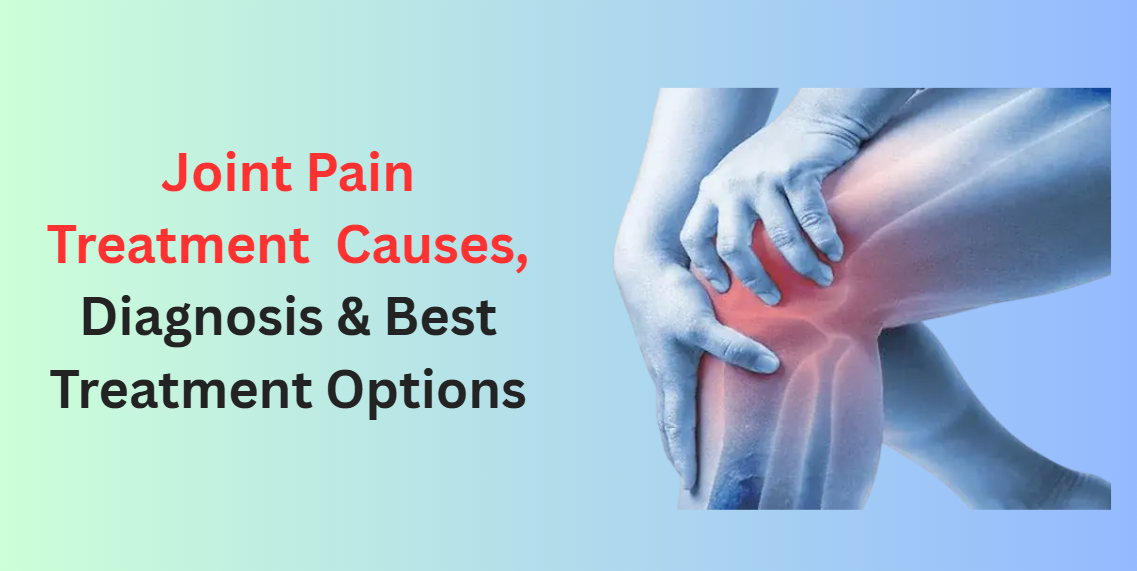
Joint pain is one of the most common health problems affecting people of all age groups. It can occur in the knees, hips, shoulders, spine, elbows, wrists, and ankles, often making everyday activities such as walking, sitting, or lifting objects difficult. If joint pain is ignored for a long time, it may lead to severe mobility issues and reduced quality of life. For advanced orthopedic care, many patients seek treatment from a Paediatric Orthopaedics hospital in Jaipur, where specialists provide comprehensive care including Spine Treatment, fracture treatment, Hip Replacement, Shoulder Arthroscopy Replacement, and Hand & Upper Limb surgery.
Understanding the causes, diagnosis, and best treatment options for joint pain can help patients take timely action and avoid complications.
Joint pain refers to discomfort, stiffness, or inflammation in the joints where two bones meet. These joints help in smooth body movement and flexibility. When the joints become inflamed, injured, or damaged, it can lead to pain and restricted movement.
Joint pain can range from mild discomfort to severe chronic pain. In some cases, it may require advanced treatments such as Hip Replacement or surgical procedures offered by orthopedic specialists at a Paediatric Orthopaedics hospital in Jaipur.
Joint pain can occur due to various medical conditions, injuries, or age-related changes. Some of the most common causes include:
Arthritis is one of the leading causes of joint pain. It includes conditions such as osteoarthritis and rheumatoid arthritis that cause inflammation and damage to the joints.
Accidents, sports injuries, or falls may cause joint damage or fractures that lead to severe pain. In such cases, immediate fracture treatment is required to prevent complications.
As people age, the cartilage that protects joints gradually wears down, leading to stiffness and pain.
Excess body weight puts additional pressure on joints, particularly the knees, hips, and spine.
Certain autoimmune diseases attack the joints and cause inflammation, swelling, and pain.
Hospitals specializing in Spine Treatment, fracture treatment, Hip Replacement, Shoulder Arthroscopy Replacement, and Hand & Upper Limb surgery provide advanced solutions for these conditions.
Joint pain may present with several symptoms depending on the underlying condition. Common symptoms include:
Persistent joint pain or discomfort
Swelling and inflammation
Stiffness in the joints
Difficulty moving the affected joint
Reduced flexibility and mobility
Warmth or redness around the joint
If these symptoms persist for several weeks, consulting an orthopedic specialist at a Paediatric Orthopaedics hospital in Jaipur is recommended for proper diagnosis and treatment.
Accurate diagnosis is essential for effective treatment. Orthopedic specialists use several diagnostic methods to identify the cause of joint pain.
The doctor checks joint movement, swelling, and tenderness during the initial consultation.
X-rays, MRI scans, and CT scans help in detecting bone damage, fractures, or joint degeneration.
Blood tests may be recommended to diagnose autoimmune diseases or infections affecting the joints.
In some cases, doctors may analyze joint fluid to detect infections or inflammatory conditions.
Modern orthopedic centers, including a Paediatric Orthopaedics hospital in Jaipur, use advanced diagnostic tools to ensure accurate diagnosis and effective treatment planning.
Treatment for joint pain depends on the severity and cause of the condition. Several non-surgical and surgical options are available.
Doctors may prescribe medications to reduce pain and inflammation. These may include anti-inflammatory drugs, pain relievers, or corticosteroids.
Physiotherapy plays a crucial role in strengthening muscles and improving joint flexibility. Regular exercises can significantly reduce joint stiffness and pain.
Maintaining a healthy weight, exercising regularly, and avoiding excessive strain on joints can help manage joint pain effectively.
When conservative treatments do not provide relief, advanced procedures may be required.
Hip Replacement
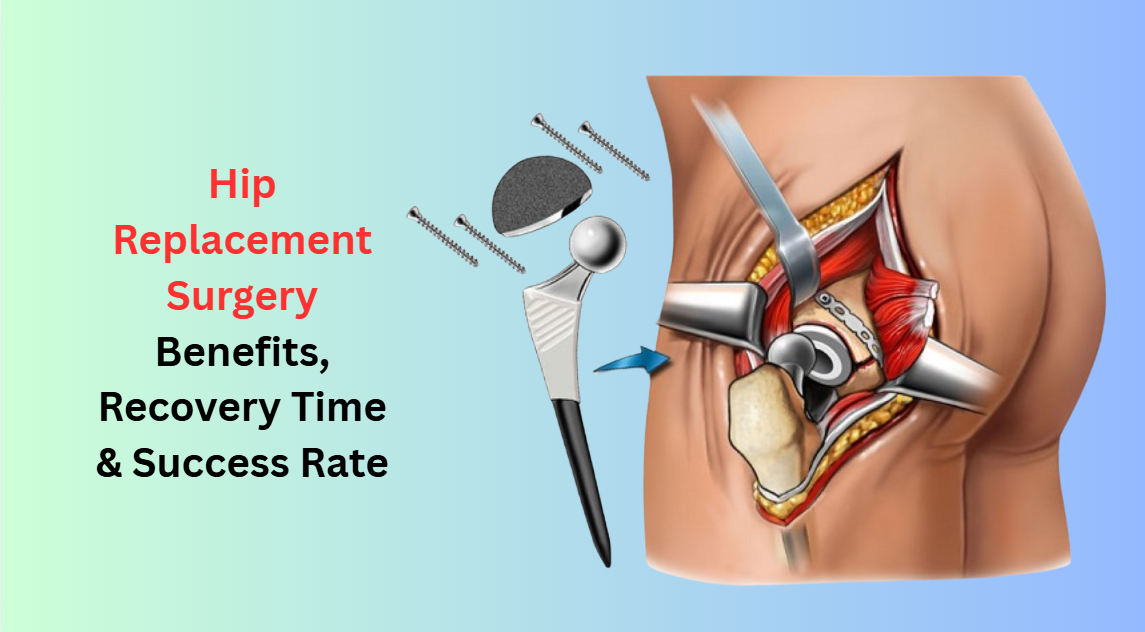
In cases of severe hip joint damage, Hip Replacement surgery may be recommended to restore mobility and eliminate pain.
Shoulder Arthroscopy Replacement
This minimally invasive procedure helps treat shoulder joint injuries and improve joint function.
Hand & Upper Limb Surgery
Specialized surgeries are performed to treat conditions affecting the hand, wrist, elbow, or upper limb.
Spine Treatment
Spinal problems such as slipped discs, spinal arthritis, and nerve compression may also cause joint pain. Advanced Spine Treatment helps relieve these conditions.
Many patients choose a Paediatric Orthopaedics hospital in Jaipur for such treatments because these hospitals offer comprehensive orthopedic care under one roof.
While some joint conditions are unavoidable, certain preventive measures can help reduce the risk of joint pain.
Keeping body weight under control reduces pressure on joints, especially the knees and hips.
Regular exercise helps strengthen muscles and improve joint flexibility.
Good posture reduces strain on the spine and joints.
Foods rich in calcium, vitamin D, and omega-3 fatty acids support bone and joint health.
Overuse of joints during heavy lifting or repetitive activities can lead to joint damage.
You should consult an orthopedic specialist if:
Joint pain lasts longer than a few weeks
There is severe swelling or redness in the joint
Movement becomes difficult
Pain occurs after an injury or accident
Daily activities are affected due to joint pain
A consultation at a Paediatric Orthopaedics hospital in Jaipur ensures accurate diagnosis and access to advanced treatments including Spine Treatment, fracture treatment, Hip Replacement, Shoulder Arthroscopy Replacement, and Hand & Upper Limb surgery.
Jaipur has become a preferred destination for orthopedic treatments due to its modern healthcare infrastructure and experienced specialists. Choosing a Paediatric Orthopaedics hospital in Jaipur offers several benefits:
Access to experienced orthopedic surgeons
Advanced diagnostic technology
Comprehensive treatment options
Personalized rehabilitation programs
Multispecialty orthopedic care
These hospitals provide expert treatment for conditions requiring Spine Treatment, fracture treatment, Hip Replacement, Shoulder Arthroscopy Replacement, and Hand & Upper Limb surgery, ensuring the best possible outcomes for patients.
Joint pain can significantly affect daily life if not treated properly. Understanding the causes, symptoms, and treatment options is the first step toward effective recovery. Early diagnosis and proper treatment can prevent complications and restore mobility.
With modern orthopedic care available at a Paediatric Orthopaedics hospital in Jaipur, patients can access advanced treatments such as Spine Treatment, fracture treatment, Hip Replacement, Shoulder Arthroscopy Replacement, and Hand & Upper Limb surgery. By consulting experienced orthopedic specialists and following the recommended treatment plan, individuals suffering from joint pain can regain an active, healthy, and pain-free life.
 Shoulder Pain: Symptoms, Treatment and Prevention Tips
 Hip Replacement Surgery: Benefits, Recovery Time & Success Rate
 Why Regular Gynecological Check-ups Are Essential for Women's Health